Fibroids tied to higher risk of cardiovascular disease
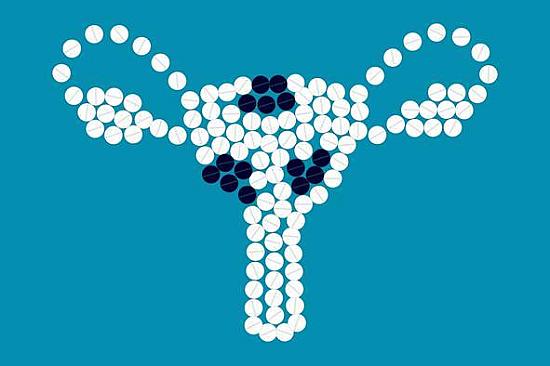
Uterine fibroids can produce many troubling symptoms, including excessive bleeding, pelvic discomfort, and urinary problems. But women with fibroids may also have higher long-term odds of developing artery-narrowing cardiovascular disease, according to a study published Jan. 6, 2026, in the Journal of the American Heart Association.
Researchers evaluated data gathered over about 10 years on more than 450,000 women with fibroids and 2.25 million women without the condition (average age 41), comparing how often atherosclerotic cardiovascular problems – which involve blocked or narrowed arteries – occurred in each group.
One year after diagnosis, women with fibroids were more than twice as likely as those without (0.7% vs. 0.3%) to have developed cardiovascular disease that caused heart attack, stroke, blocked arteries in the legs, or other problems. Over 10 years, women with fibroids had an 80% higher risk of such cardiovascular issues compared to women without fibroids (5.4% vs. 3.0%). The study was observational, so it couldn’t prove that having fibroids will lead to cardiovascular disease, just that an association exists.
Fibroids and cardiovascular disease may share underlying biological triggers such as inflammation and blood vessel changes, the researchers noted. Women with fibroids may benefit from closer heart health monitoring, including more frequent blood pressure and cholesterol tests.
Image: © art4stock/Science Photo Library/Getty Images













Post Comment